9 March 2026
LIFE THROUGH A BIPOLAR LENS
How Jarod O'Shannessy uses his camera to keep things level.
Written by Luke Kennedy
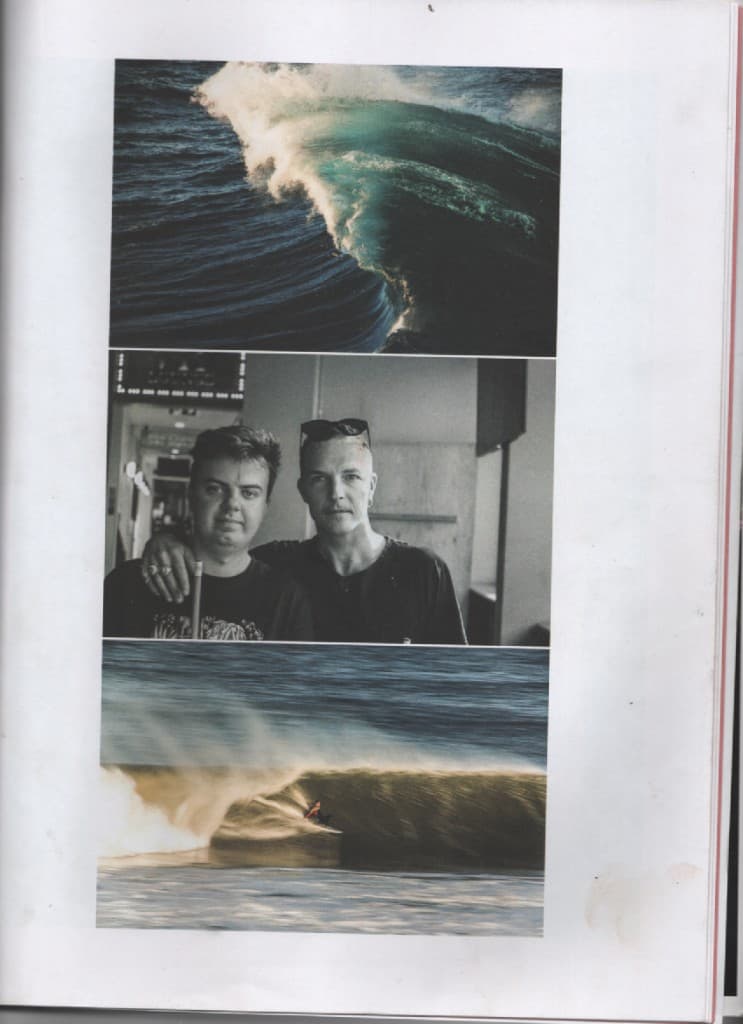
It's a good day for Jarod O'Shannessy. When we touch base with the 24-year-old, he is literally dripping in stoke. As he towels down, Jarod tells us he has just been testing out a new Aqua Tech water housing for his camera.
Over the phone, he excitedly explains that award-winning photographer Ray Collins has been offering tips to help him get the most out of his new camera rig. The government's NDIS scheme helped Jarod and Ray bond over their shared interest in photography and their love of the twisted wedges thrown by the nearby Kiama bommie.
For Jarod, taking photos has always been a way of keeping his mind still and finding meaningful purpose. In turn, the ocean provides a kind of natural therapy. 'The ocean is pretty healing,' he says.
However, it wasn't always like this. Jarod has worked hard to reach a place where he can focus on his craft. 'It's been six years since I've been hospitalised,' he explains, with a noticeable sense of pride and achievement.
Jarod grew up in a family of artists in the Sutherland Shire. His father, who also lives with bipolar disorder, is a landscape architect, while his sister paints murals. Creative tendencies were always present, but the real battle began in his teens when he was diagnosed with bipolar disorder.
He still recalls vividly the first hospitalisation. 'I had a bad reaction to some medication I was on, which then sent me into mania.' Between the ages of 15 and 19, he was hospitalised multiple times, with the worst period lasting two months in a ward, away from the beach life he loved.
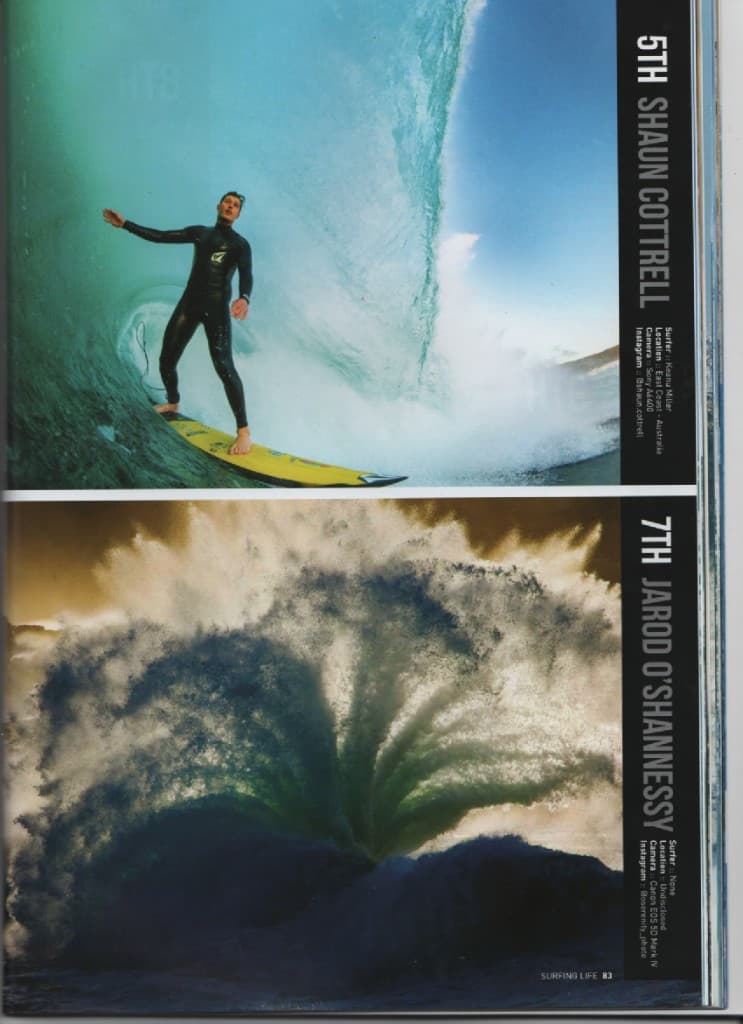
Luckily, Jarod had already picked up a camera and discovered that pointing a lens at waves and the surfers riding them was an antidote to his mood swings. 'I started taking photos around the age of 12 and never looked back. It kept me focused on one thing without my head getting too crazy.'
Jarod openly acknowledges that medication has played an important role in helping regulate his moods. 'When I was first in hospital I would spit my medication out, but now I swallow the tablets. These days I administer my own meds. I've learnt to accept that I have to take meds to stay well.'
Even so, medication is only part of the story. Jarod says the opportunities created by the NDIS have been crucial to his recovery. 'They've provided me with amazing support workers. It's been a huge help.'
One of those support workers is Cronulla surfer, actor, and artist Kirk Jenkins. The two regularly team up to chase waves and shoot photos. Jarod doesn't drive, but with Kirk as his co-pilot and photographic subject, he has been able to shoot reefs around Cronulla and travel up and down the coast.
Beyond surf sessions, Jarod has also been moonlighting as a music photographer, shooting gigs and images of his friends in Pacific Avenue. He dreams of shooting Teahupo'o and Nias, and hopes people find real joy in his framed work.
'The goal is to open my own gallery one day,' he says. 'That's what I want to do with my life: take photos. I also want to help people with mental illness and inspire them. Just because someone has a mental illness doesn't mean they can't do anything they set their mind to.'
Jarod is right. The proof, as they say, is in the picture.